
Understanding jacket sizing starts with knowing that brands vary, so always check a size chart. Key measurements include chest, waist, and sleeve length. Online guides often list US, UK, and EU sizes, while some retailers use metric or letter labels. Accurate tape measurements ensure a proper fit. OK!

Standard Size Chart Overview
Size charts list chest, waist, and sleeve ranges. US sizes 34–44, UK 34–44, EU 44–56. Brands may shift; always compare measurements. A chart helps match your body to the correct numeric or letter size, reducing returns. Verify measurements before purchase. and fit!
Metric vs. US/UK/Europe Sizes
When shopping for a men’s jacket, it’s essential to understand how metric measurements translate into the US, UK, and European sizing systems. Most brands provide a numeric chest measurement in inches or centimeters, while the letter system (S, M, L, XL) is a general guide. In the US, a 38‑inch chest typically corresponds to a size 38 jacket, whereas the UK uses the same number but often adds a half‑size increment for a more tailored fit. European sizes are expressed in centimeters; a 100‑cm chest usually maps to a size 44 or 44/44, depending on the brand’s cut. Converting from metric to US/UK involves adding 2.54 cm per inch and adjusting for brand variation. It’s also common for online retailers to list a “US” size next to an “EU” size, allowing shoppers to cross‑reference quickly. Always double‑check the brand’s specific chart, as some manufacturers use a 1‑inch difference between US and UK, while others align them more closely. For the most accurate fit, measure your chest in centimeters, then use the conversion table: 90‑99 cm = 36‑38 US, 100‑109 cm = 40‑42 US, 110‑119 cm = 44‑46 US. Remember, sleeve length and shoulder width also influence the final fit, so consider the full set of measurements when comparing charts. For international shoppers, noting the difference between a 44 EU and a 44 US can prevent a misfit; a 44 EU typically has a 100‑cm chest, while a 44 US is 44 inches. Additionally, sleeve length in EU is measured from the shoulder seam to the cuff, whereas US measures from the center back. Always verify both chest and sleeve dimensions before ordering;
Common Size Labels (S, M, L, XL, etc.)
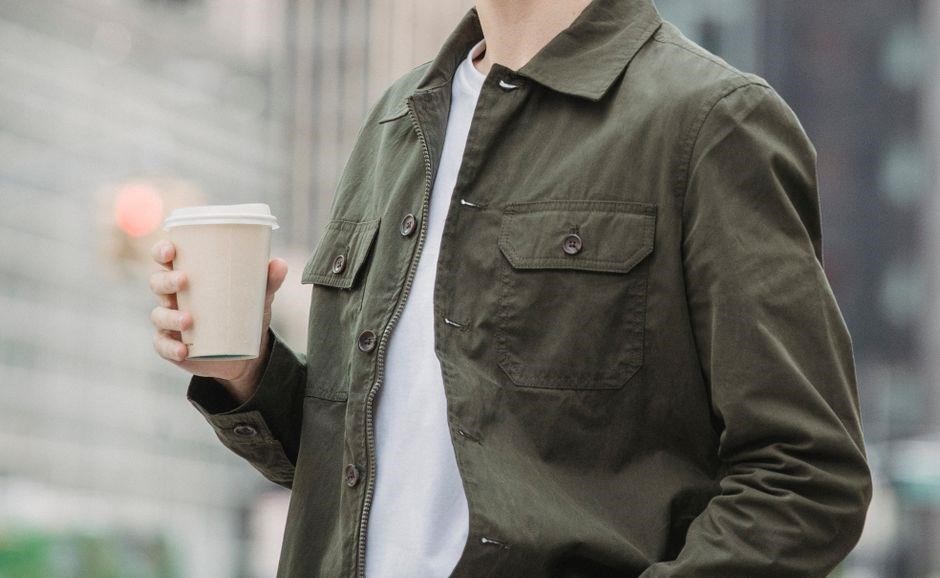
In the world of men’s jackets, the letter system offers a quick reference for shoppers who want a general sense of fit without diving into numbers. The most widely used labels—S, M, L, XL, XXL—are shorthand for chest measurements that vary slightly between brands. A small (S) typically covers a 34‑36 inch chest, medium (M) 38‑40 inches, large (L) 42‑44 inches, and extra‑large (XL) 46‑48 inches. Some retailers add a half‑size (e.g., M½) to bridge gaps, while others introduce a “one‑size‑fits‑all” (OS) for casual styles. The letter system is especially helpful for online shoppers who may not have a tape measure handy; it allows them to match a jacket’s label to their own chest width using a simple conversion chart. However, because the letter system is a general guide, it’s crucial to cross‑check with the brand’s specific measurements—especially for tailored or slim fits where the cut can be tighter. For example, a slim‑fit L may feel more like a regular‑fit M on a person with a 42‑inch chest. When shopping for travel or bulk purchases, many brands offer a “universal” size that works for a range of chest widths; these are often labeled “U” or “Universal” and are designed with a relaxed fit and adjustable waist. Finally, it’s worth noting that some European brands use a numeric system that aligns with the letter system, such as 44 (EU) roughly equating to a US L, while 46 (EU) matches a US XL. By familiarizing yourself with these common labels and checking the accompanying measurement tables, you can confidently choose a jacket that fits comfortably and looks polished.

Fit Types Explained
Regular fit offers room for movement, with a straight cut from chest to waist. Slim fit narrows shoulders and waist, creating a sleek silhouette. Tapered or modern fit combines a relaxed chest with a narrower waist, balancing comfort and style. Fit choice depends on body shape!

Regular Fit
Regular fit jackets are designed to provide a classic, comfortable silhouette that accommodates a range of body types. The cut is not overly tailored; the chest and waist are slightly roomier, allowing for easy layering and movement. Typically, the shoulder seams sit at the natural shoulder line, and the sleeves fall just past the wrist, giving a relaxed yet structured look. This style is ideal for everyday wear, business casual settings, and when you want a jacket that doesn’t feel restrictive. Regular fit jackets often feature a straight or gently tapered leg, ensuring that the jacket drapes smoothly over the hips without pulling. The length usually falls around the mid‑hip or slightly below, offering coverage while maintaining a balanced proportion. When selecting a regular fit, it’s important to measure your chest circumference at the fullest part, your waist at the narrowest point, and your sleeve length from the shoulder seam to the wrist. These measurements help you choose the correct size, as most brands provide a size chart that correlates metric and letter sizes; Additionally, consider the fabric weight and construction; a lighter fabric may feel more flexible, while a heavier wool blend will hold its shape better. By opting for a regular fit, you achieve a timeless look that works across seasons and styles, making it a versatile addition to any wardrobe. For optimal longevity, wash jackets according to the care label, and store them on a wide hanger to preserve shape. Fit ispersonal,so try before buying and adjust today
Slim Fit
Slim fit jackets are engineered for a sleek, tailored silhouette that hugs the torso while still allowing comfortable movement. The chest and waist are cut narrower than regular fit, creating a streamlined appearance that accentuates an athletic build. Shoulder seams sit just below the natural shoulder line, and the sleeves are shorter, ending near the wrist to maintain a clean line. The jacket’s torso tapers slightly toward the hips, giving a modern, polished look suitable for both business and casual occasions. When measuring for a slim fit, record your chest circumference at the fullest point, your waist at the narrowest point, and your sleeve length from the shoulder seam to the wrist. Compare these numbers to the brand’s size chart, noting that slim fit often runs one size smaller than regular. Fabric choice matters; lighter blends such as cotton or linen provide flexibility, while heavier wool blends hold shape better. Proper fit ensures the jacket drapes without gaping or pulling, and the hem falls just above the hip for a balanced proportion. To maintain shape, avoid over‑stuffing pockets and store on a padded hanger. Slim fit jackets are ideal for those who prefer a contemporary, refined style without compromising comfort. They pair well with tailored trousers and can be layered over a lightweight sweater for cooler days. Always try on or consult a detailed size guide before purchasing to guarantee the best fit for your body type. Fit is personal, so adjust sleeves and length for comfort. quick.!

Tapered/Modern Fit
Modern or tapered jackets offer a contemporary silhouette that narrows from the shoulders to the waist, creating a streamlined profile while maintaining a relaxed fit at the hips. The design emphasizes a subtle taper, allowing the jacket to sit slightly below the natural waistline, which provides a flattering shape for both athletic and average builds. Key measurement points include chest, waist, and sleeve length, with the chest taken at the fullest point, the waist at the narrowest point, and the sleeve from the shoulder seam to the wrist. Tapered jackets typically feature a slightly shorter torso than regular fit, ensuring the hem falls just above the hips for a balanced look. Fabric choice influences the fit; lighter cotton blends offer breathability, whereas heavier wool or blended fabrics hold the tapered shape. When selecting a size, compare your measurements to the brand’s chart, noting that tapered styles may run slightly smaller than regular. Proper fit is achieved when the jacket hugs the torso without pulling, and the sleeves end near the wrist without excess fabric. Tapered jackets are versatile, pairing well with chinos or tailored trousers, and can be layered over a lightweight sweater for a polished yet comfortable ensemble. For optimal comfort, avoid over‑stuffing pockets and use a padded hanger to preserve the jacket’s shape. Always try on or consult a detailed size guide before purchasing to ensure the jacket complements your body shape and style preferences. In addition, many modern brands incorporate adjustable cuffs or a slightly tapered collar to enhance the contemporary aesthetic. The lining is often quilted, adding structure without bulk. When wearing a tapered jacket, pair it with slim or straight‑cut trousers to maintain the streamlined look. If you prefer a more relaxed feel, choose a jacket with a slightly looser fit at the hips. Finally, always check the return policy, as sizing can vary between manufacturers, and a well‑fitted jacket can be a long‑lasting wardrobe staple. A well‑fitted tapered jacket elevates any outfit! It blends style and function!

Essential Body Measurements

Measure chest at fullest point, waist at narrowest, and sleeve from shoulder seam to wrist. Keep tape level, use soft cloth tape. Record each in inches or cm. Accurate numbers guide you to the right jacket size, ensuring a comfortable fit. Use a ruler for precision
Chest Width
Chest width is the most critical measurement for a jacket that fits comfortably. To measure, lay a soft measuring tape across the back, from the edge of one shoulder to the edge of the opposite shoulder, and then add the distance across the chest at the fullest point. This gives you the total chest circumference. For most brands, the chest width is listed as a single number in inches or centimeters, but some use a range. If you are between sizes, it is safer to choose the larger size to avoid a tight fit. When measuring, keep the tape snug but not tight, and ensure it is level across the back. Some designers also recommend measuring the chest at the widest part, which is typically just below the armpits, to capture the true breadth. If you are buying online, compare your measurement with the brand’s chart; many sites provide a “fit guide” that shows how the chest width translates into a specific size. For example, a chest width of 38 inches often corresponds to a size Medium in US sizing, while a 42-inch chest might be a Large. In international sizing, a 38-inch chest could be a 48 in EU or a 38 in UK. Always double‑check the conversion table because the same numeric value can mean different sizes across regions. Additionally, consider the jacket’s style: a slim‑fit jacket will require a slightly larger chest width to accommodate a tighter cut, whereas a regular fit may fit comfortably with a smaller measurement. Finally, remember that the chest width is just one part of the overall fit; sleeve length, waist, and shoulder width also play crucial roles in achieving a balanced look. When using a tape, start at the base of the neck, run it across the shoulder blades, and finish at the opposite shoulder. Avoid stretching the fabric; the tape should rest lightly on the skin. If you have a body shape that is broader at the shoulders, you might want to add an extra inch to the chest width to ensure room for movement. Some online retailers offer a “size‑up” recommendation if your chest width falls between two standard sizes. Also, keep in mind that a jacket’s collar size can affect the overall chest measurement; a larger collar may push the jacket to sit higher on the chest, slightly altering the perceived width. For those who prefer a more tailored look, measuring the chest at the widest point and then adding a small allowance (about 1–2 inches) can help achieve a snug but not restrictive fit. If you are unsure, it is always safer to consult the brand’s customer service or a professional tailor for personalized advice. This precision ensures confidence in al purchase.
Shoulder Width
Measuring shoulder width accurately is essential for a jacket that sits naturally and allows freedom of movement. Start by standing upright with arms relaxed at your sides. Place a flexible measuring tape or a piece of string across the back, from the outer edge of one shoulder to the outer edge of the opposite shoulder, following the curve of the shoulder blades. The tape should lie flat against the skin, not pulled tight, and should not be angled. Once you have the raw measurement, compare it to the brand’s size chart. Most manufacturers list shoulder width in inches or centimeters, and the chart will indicate which size corresponds to your measurement. For example, a shoulder width of 18 inches typically falls into a Medium in US sizing, while 20 inches might be a Large. International charts often use different numeric ranges, so a 45 cm shoulder width could be a 48 in EU or a 38 in UK, depending on the brand. It’s important to remember that some jackets, especially tailored or slim‑fit styles, may require a slightly larger shoulder width to accommodate a tighter cut. If your shoulders are broader, add an extra half to one inch to your measurement before selecting a size. Additionally, consider the jacket’s construction: a padded or structured jacket will need more room in the shoulder area than a lightweight, unlined style; When shopping online, many retailers provide a “fit guide” that shows how the shoulder width translates into a specific size, and some even recommend a size up your measurement sits between two standard sizes. Remember that the shoulder measurement is a key determinant for the overall silhouette. A jacket that is too narrow can create a strained look, while one that is too wide may look boxy. Tailors often recommend adding a small allowance—typically 0.5 to 1 inch—to the measured width for a more relaxed fit, especially if you plan to layer underneath. Some brands also offer adjustable shoulder pads or removable inserts, allowing you to fine‑tune the fit after purchase. Finally, always try on the jacket, if possible, to verify that the shoulders sit flush with the natural shoulder line and that the sleeve openings are not too tight or too loose. A well‑fitted shoulder width sets the foundation for a jacket that feels as good as it looks.
Arm Length
Arm length, or sleeve length, is measured from the shoulder seam to the wrist. Begin by standing straight, arms relaxed. Place a flexible tape at the top of the shoulder, following the seam down the outer arm to the wrist bone. Record the measurement in inches or centimeters. Compare this figure to the brand’s sleeve chart; most charts list sleeve lengths in 1‑inch increments. For example, a 32‑inch sleeve typically fits a Medium in US sizing, while a 34‑inch sleeve may be a Large. International charts often use different ranges; a 81‑cm sleeve could correspond to a 48 in EU or a 38 in UK. If you prefer a slightly longer sleeve for layering, add 0.5 to 1 inch to your measurement before selecting a size. Some jackets, especially tailored or slim‑fit styles, may require a shorter sleeve to avoid excess fabric. Always try on the jacket to ensure the cuff sits at the wrist without pulling or hanging. A well‑fitted sleeve should allow a small amount of movement but not so loose that it looks baggy. Adjustments can be made by a tailor, who can shorten or lengthen the sleeve as needed. Many online retailers provide a sleeve length guide and recommend a size based on your arm measurement. Remember that the sleeve length is crucial for both comfort and appearance, especially when layering shirts or sweaters underneath. Accurate arm length measurement ensures a polished look and functional fit.
Accurate arm length measurement ensures a polished look and functional fit for every jacket and confidence.!

Conversion Between International Sizes
International jacket sizes differ: US 38 ≈ EU 48 ≈ UK 38, US 40 ≈ EU 50 ≈ UK 40. Japanese sizes use chest width in cm; a 100 cm chest equals US 40. Chinese sizes align with EU but add 2, so EU 48 ≈ CN 50. Always verify with brand charts. Check online fit now!

Japanese, Chinese, and Korean Size Correlation
Japanese jacket sizing typically uses chest width in centimeters, where a 100 cm chest corresponds to a size 40 in US terms. Chinese sizes are often two numbers larger than EU, so a Chinese 50 equals EU 48. Korean sizes align closely with Japanese, using the same cm chest measurement, but some brands add a half‑size increment. When converting, remember that a Japanese 102 cm chest is roughly a US 42, a Chinese 54, and a Korean 102 cm. Always cross‑check brand‑specific charts, as sleeve length and shoulder width can vary, impacting the overall fit. Online retailers frequently provide conversion tables, but it’s safest to measure your own chest, waist, and sleeve length and compare those numbers to the chart for each country’s standard. When shopping across borders, it’s also wise to consider how the jacket’s construction may affect fit. A Japanese brand might use a lighter canvas and a slimmer cut, whereas a Chinese label could favor a slightly looser silhouette to accommodate broader shoulders common in East Asian populations. Korean manufacturers often blend Western tailoring with Asian proportions, offering a middle ground that appeals to a global market. Additionally, sleeve length measurements can differ subtly; a Korean 32 sleeve may translate to a US 32.5, while a Chinese 32 might be closer to a US 32. It’s prudent to read customer reviews for real‑world fit feedback and, if possible, try on the jacket in a local store or order from a retailer with a flexible return policy. This proactive approach ensures that the jacket you select not only matches your body dimensions but also aligns with your style preferences and the intended use, whether for casual outings, business meetings, or outdoor adventures. Order now! Shop! Try it! See the fit! Buy today!!