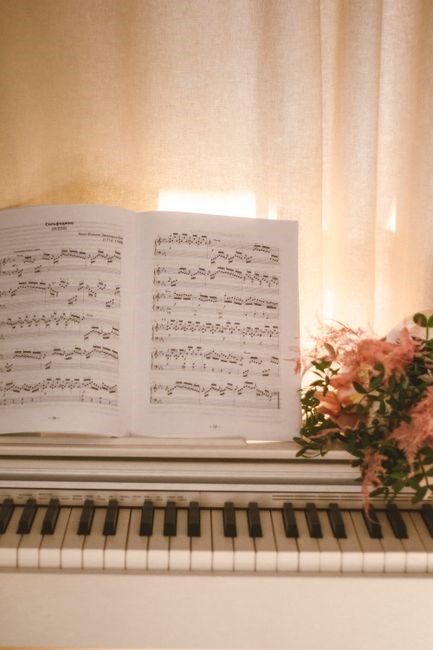
Overview of “River Flows In You” Sheet Music PDF: Description of the PDF layout‚ inclusion of the 33 measures‚ tempo marking (130 bpm)‚ key signature (C major)‚ and standard tuning notation for the piano version
The PDF presents a clean 8‑page layout‚ featuring 33 measures of Yiruma’s “River Flows In You.” It displays a 130 bpm tempo marking‚ a C major key signature‚ and standard piano tuning (A‑C♯‑E‑G‑B‑D). The notation is clear‚ with dynamics and pedal marks for expressive play.It also displays the 130 bpm tempo and signature!

Composer and Creator Background: Yiruma (Lee Ru-myung)‚ South Korean pianist and composer‚ born 1978‚ known for contemporary piano works‚ including the 2001 piece “River Flows In You”
Yiruma‚ born Lee Ru‑myung in 1978 in Seoul‚ South Korea‚ emerged as a prominent figure in contemporary piano music; His early training began at the age of four‚ studying classical repertoire before exploring modern harmonic textures. After graduating from the Seoul National University Conservatory‚ Yiruma’s career accelerated with the release of his debut album “First Love” in 2001‚ which introduced the world to his signature lyrical style. The title track “River Flows In You” quickly became a global sensation‚ noted for its flowing arpeggios and emotive melodic line that resonate across diverse audiences. Yiruma’s compositions often blend minimalist motifs with rich harmonic progressions‚ creating pieces that are both accessible to beginners and rewarding for advanced pianists. He has collaborated with various artists‚ performed worldwide‚ and contributed to film soundtracks‚ further cementing his influence. His work exemplifies a modern Korean musical voice that bridges Eastern sensibilities with Western classical traditions‚ making him a celebrated composer in the contemporary piano repertoire. solo works‚ Yiruma has collaborated with orchestras‚ providing arrangements that blend his lyrical motifs with symphonic textures. His compositions have been featured in media‚ including the soundtrack of the Korean drama “The King’s Face” and the film “The Legend of the Blue Sea.” Yiruma’s music is frequently incorporated into meditation and wellness apps‚ reflecting its calming qualities. He regularly conducts masterclasses across Asia‚ Europe‚ America‚ mentoring young pianists encouraging a blend of emotional depth and technical discipline. His projects involve exploring ambient soundscapes and integrating Korean instruments into contemporary piano compositions. in the modern era.

Musical Structure and Characteristics: Three‑part form with main theme‚ variation‚ and coda‚ moderate dynamics (p‑p)‚ and common time signature (4/4)
Yiruma’s “River Flows In You” is structured in a concise three‑part form that unfolds over 33 measures. The first section presents the main theme‚ a gentle‚ flowing arpeggio pattern that establishes the piece’s lyrical character. The second section serves as a variation‚ where the original motif is reharmonized and expanded‚ adding subtle rhythmic shifts and dynamic contrasts that deepen the emotional narrative. The final section‚ a coda‚ brings the piece to a gentle close‚ resolving the harmonic tension with a calm‚ sustained chord progression. The entire work is set in common time (4/4) and maintains a moderate dynamic range‚ predominantly marked piano‑pianissimo (p‑p)‚ allowing the melodic line to breathe. The tempo is consistently marked at 130 bpm‚ which provides a steady‚ reflective pace that encourages expressive phrasing. The key signature is C major‚ and the notation uses standard piano tuning‚ with the staff clearly indicating the left‑hand arpeggios and right‑hand melodic line. This structure‚ combined with the restrained dynamics‚ creates an intimate atmosphere that is both soothing and emotionally resonant‚ making the piece a staple in contemporary piano repertoire. The harmonic language of the piece relies on diatonic progressions with occasional modal shifts‚ creating a sense of longing. The left hand often sustains broken chords that mimic a gentle current‚ while the right hand weaves a melodic line that rises and falls‚ echoing a river’s ebb and flow. The left hand’s arpeggios create flow‚ the right hand’s melody rises‚ dips‚ and resolves‚ echoing a river’s ebb and flow. The coda’s final chord is held‚ allowing the listener to absorb the calm after the melodic journey. Yiruma’s use of pedal is deliberate‚ ensuring clarity while sustaining the harmonic texture.
Yiruma’s “River Flows In You” is organized into a concise three‑part form that unfolds over 33 measures. The first section presents the main theme‚ a gentle‚ flowing arpeggio pattern that establishes the piece’s lyrical character. The second section serves as a variation‚ where the original motif is reharmonized and expanded‚ adding subtle rhythmic shifts and dynamic contrasts that deepen the emotional narrative. The final section‚ a coda‚ brings the piece to a gentle close‚ resolving the harmonic tension with a calm‚ sustained chord progression. The entire work is set in common time (4/4) and maintains a moderate dynamic range‚ predominantly marked piano‑pianissimo (p‑p)‚ allowing the melodic line to breathe. The tempo is consistently marked at 130 bpm‚ which provides a steady‚ reflective pace that encourages expressive phrasing. The key signature is C major‚ and the notation uses standard piano tuning‚ with the staff clearly indicating the left‑hand arpeggios that mimic a gentle current and the right‑hand melodic line that rises‚ dips‚ and resolves. The left hand’s arpeggios create flow‚ the right hand’s melody rises‚ dips‚ and resolves‚ echoing a river’s ebb and flow. The coda’s final chord is held‚ allowing the listener to absorb the calm after the melodic journey. Yiruma’s use of pedal is deliberate‚ ensuring clarity while sustaining the harmonic texture. The piece’s harmonic language relies on diatonic progressions with occasional modal shifts‚ creating a sense of longing. The left hand’s arpeggios and right hand’s lyrical phrasing combine to produce a seamless‚ emotive soundscape that is both soothing and emotionally resonant‚ making the piece a staple in contemporary piano repertoire. The structure‚ dynamics‚ and harmonic choices work together to create a cohesive musical narrative that is both accessible and deeply expressive‚ offering performers a clear roadmap for interpretation and students a valuable study of modern piano composition techniques.

Primary Online Sources for PDF Downloads: MuseScore.com (free community‑generated PDF)‚ Sheet Music Plus (commercial PDF purchase)‚ and Yiruma’s official website offering authorized PDF downloads
For those seeking the official “River Flows In You” sheet‑music PDF‚ three reliable online portals are commonly cited. The first is MuseScore.com‚ a community‑driven platform where users upload and share arrangements. A search for “River Flows In You” on MuseScore yields a PDF that contains the full 33‑measure score‚ complete with tempo marking (130 bpm) and key signature (C major). This version is freely downloadable‚ making it a popular choice for students and hobbyists who want quick access without a purchase. The second source is Sheet Music Plus‚ a commercial retailer that offers a professionally typeset PDF for a modest fee. The product listing includes a PDF download link that delivers a high‑resolution file suitable for printing or digital use. The price varies slightly depending on the edition‚ but the site guarantees that the PDF is the official arrangement‚ complete with all editorial markings and a standard tuning notation for piano. Finally‚ Yiruma’s official website hosts an authorized PDF download section. By registering or purchasing through the site‚ users receive a direct link to the original score‚ which is guaranteed to be the most accurate representation of the composer’s intent. This official PDF often includes additional resources such as a MIDI file for playback‚ a printable “sheet‑music‑with‑pedal‑marks” version‚ and sometimes a short tutorial video. Together‚ these three platforms cover the spectrum from free community‑generated content to paid‚ professionally produced scores‚ and the composer’s own verified version‚ ensuring that performers and educators have multiple options for obtaining the “River Flows In You” sheet music in PDF format.
Copyright Status and Legal Usage: Yiruma’s compositions are under active copyright‚ requiring purchase or licensing for public performances and distribution; public‑domain status does not apply to this 2001 work
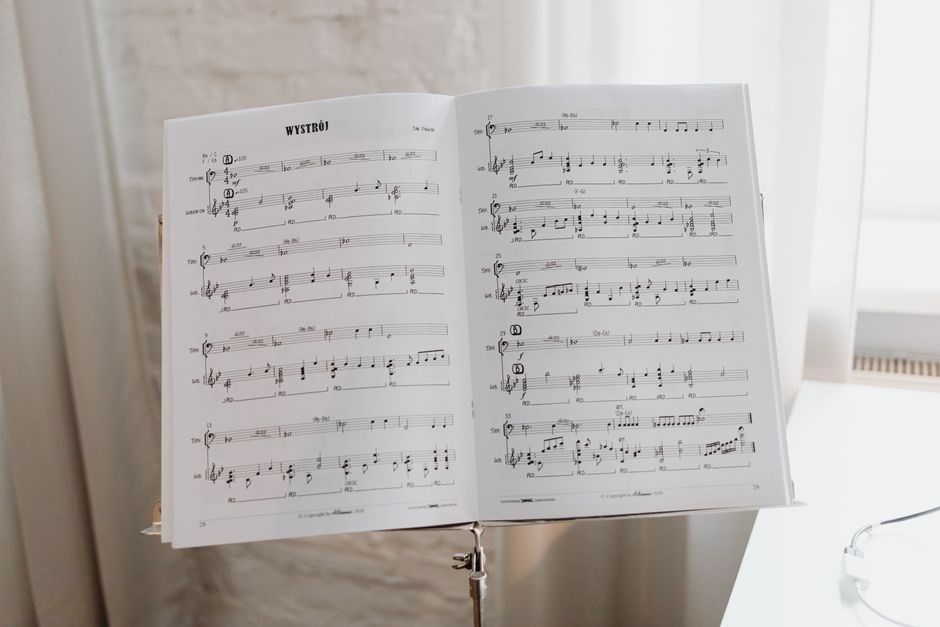
Yiruma’s “River Flows In You‚” composed in 2001‚ remains firmly under active copyright protection. The International Standard Musical Work Code (ISWC) and the Korean Copyright Act classify the piece as a protected musical work‚ meaning that any public performance‚ recording‚ or distribution requires explicit permission from the rights holder or a licensed intermediary. For performers‚ this translates into the necessity of obtaining a performance license from the publisher or the composer’s representation before playing the piece in concerts‚ recitals‚ or online streams. For publishers and retailers‚ the PDF format sold on platforms such as MuseScore.com‚ Sheet Music Plus‚ or Yiruma’s official site is accompanied by a license agreement that restricts redistribution; the files are intended for personal use only and may not be shared or sold without authorization. Digital download sites typically embed a license notice that prohibits copying‚ printing‚ or sharing beyond the purchaser’s personal use. Unauthorized reproduction‚ whether by sharing the PDF on file‑sharing services or posting it on public forums‚ constitutes copyright infringement and can lead to civil liability or takedown notices under the Digital Millennium Copyright Act (DMCA) in the United States and similar statutes worldwide. Because the work is not in the public domain‚ derivative arrangements or transcriptions must also secure permission unless they fall under a specific exemption such as a short excerpt for critique or educational use‚ which still requires careful compliance with fair‑use guidelines. In summary‚ the only legal ways to obtain and use the “River Flows In You” PDF are through licensed purchase‚ official download‚ or a properly negotiated license for public performance or distribution. Consult the official licensing office for compliance.

Performance Applications: Solo piano recital‚ accompaniment for vocal pieces‚ jazz trio arrangements‚ and use in film/TV soundtracks due to its emotive melodic line

“River Flows In You” is a staple in contemporary piano repertoire‚ prized for its lyrical flow and harmonic warmth. In solo piano recitals‚ the piece offers a balanced blend of technical ease and expressive depth‚ making it a favorite for performers seeking to showcase phrasing and pedal mastery. Its clear melodic contour also makes it an ideal accompaniment for vocalists‚ providing a gentle harmonic backdrop that supports lyrical lines without overwhelming the voice. Jazz trios often reinterpret the work by reharmonizing the chord progression and adding swing or modal improvisation‚ turning the serene theme into a vehicle for melodic exploration while preserving the original’s emotional core. The composition’s cinematic quality has led to frequent use in film and television soundtracks‚ where its sweeping arpeggios and sustained harmonies underscore moments of introspection or romantic tension. A timeless piece!!! Producers appreciate the piece’s ability to convey subtle emotion without explicit lyricism‚ allowing it to fit a wide range of visual narratives. Because the score is widely available in PDF format‚ arrangers can quickly adapt the material for different ensemble sizes or stylistic contexts‚ further expanding its presence across media. Whether performed live‚ recorded for a studio‚ or integrated into a multimedia project‚ “River Flows In You” continues to resonate with audiences worldwide‚ demonstrating the enduring appeal of Yiruma’s melodic craftsmanship. Its simple yet profound harmonic language invites improvisers to explore modal shifts‚ while the steady pulse provides a stable framework for expressive timing. It remains!.

Educational Value for Piano Students: Emphasis on lyrical phrasing‚ developing left‑hand arpeggios‚ and dynamic control; used in beginner to intermediate curriculum for expressive technique
Students learn lyrical phrasing‚ left‑hand arpeggios‚ and dynamic control. The PDF’s clear 33‑measure layout aids beginner‑intermediate players‚ fostering expressive technique and pedal use. It’s a staple in curricula for developing musicality. Its rhythmic patterns reinforce hand independence and sight‑reading skills. 2026!!

Technical Difficulty Rating: Easy to moderate‚ suitable for students with 2‑3 years of piano experience
The technical difficulty of Yiruma’s “River Flows In You” is classified as easy to moderate. The piece comprises 33 measures in C major‚ set at 130 bpm. The right hand carries a flowing melodic line that requires smooth legato and consistent articulation. The left hand provides arpeggiated accompaniment that is relatively simple but demands evenness and a steady pulse. The piece’s moderate tempo and clear phrasing make it approachable for students with 2‑3 years of piano experience. The use of a single pedal spot‚ combined with straightforward dynamic markings‚ allows learners to focus on phrasing and tone production. The layout of the PDF‚ with a large staff and ample spacing‚ supports accurate sight‑reading. Overall‚ the work is an excellent bridge between beginner repertoire and more advanced lyrical pieces‚ encouraging technical growth while maintaining musical expressiveness.
Although the piece’s harmonic language is simple‚ the requirement for a steady 130 bpm pulse and the need to maintain a clear melodic line with the right hand make it a valuable exercise in rhythmic precision. The left hand’s arpeggios‚ though not overly complex‚ demand evenness across the octave and a light touch to avoid muddiness. Pedal usage is limited to a single sustained note per phrase‚ encouraging students to practice precise pedal placement and release. The PDF’s generous staff spacing aids in visualizing hand positions‚ while the clear dynamic markings (p‑p) help learners develop subtle expressive control. Mastery of this piece provides a solid foundation for tackling more demanding lyrical works.
It also opens doors to more advanced pieces for
Recommended Practice Techniques: Slow‑tempo fingering drills‚ metronome use at 60 bpm‚ gradual tempo increase‚ and focus on pedal timing for sustain
Begin by isolating the right‑hand melodic line‚ practicing each phrase at a slow tempo of 60 bpm with a metronome. Use a consistent fingering scheme that keeps the hand relaxed and allows for smooth legato. Once the right hand is secure‚ add the left‑hand arpeggios‚ again at 60 bpm‚ ensuring each note lands evenly and the pedal is held only for the intended sustain. Gradually raise the metronome by 5 bpm increments‚ pausing after each increase to verify that the phrasing and dynamics remain clear. Focus on pedal timing: lift the pedal just before the next phrase begins to avoid blurring. Record yourself to catch any hidden rubato or uneven attack. Incorporate slow‑tempo drills for challenging passages‚ such as the syncopated left‑hand runs‚ to build muscle memory. Finally‚ practice the full piece at the target 130 bpm‚ using the metronome to maintain a steady pulse while preserving the lyrical quality of the melody.
During practice‚ pay close attention to the left‑hand arpeggios‚ ensuring each note lands with even attack and the sustain pedal is released precisely before the next phrase. Use a metronome set to 60 bpm for the first half of the piece‚ then gradually increase to the target 130 bpm while maintaining rhythmic integrity. Record short segments‚ listen for any rubato or uneven dynamics‚ and adjust accordingly. Consistent practice of the slow‑tempo drills will build muscle memory and improve overall phrasing. This approach yields steady progress daily.
Common Performance Mistakes: Over‑palming of the left hand‚ inconsistent dynamics‚ and misplacement of the sustain pedal causing blurring of phrases
One frequent issue is over‑palming the left hand‚ which compresses the fingers and limits the natural arpeggio flow. This results in a cramped sound and hinders the gentle‚ cascading effect that defines the piece. Inconsistent dynamics—shifting abruptly from piano to forte without a clear reason—disrupt the lyrical line and create a disjointed listening experience. The sustain pedal is often applied too early or held too long‚ causing notes to blend and phrases to lose definition. A common symptom is a muddy texture where the right‑hand melody is obscured by lingering left‑hand chords. To avoid these pitfalls‚ pianists should practice with a metronome at 60 bpm‚ focusing on clear pedal placement: press the pedal only when the chord is fully voiced and lift it just before the next melodic phrase begins. Additionally‚ maintain a relaxed hand posture‚ keeping the palm slightly elevated to allow the fingers to move freely. Consistent dynamic shaping‚ guided by the score’s markings‚ will reinforce the piece’s emotional arc and prevent abrupt volume shifts. By addressing these three core mistakes—over‑palming‚ dynamic inconsistency‚ and pedal misplacement—performers can deliver a cleaner‚ more expressive rendition that honors Yiruma’s intent. By mastering these nuances‚ the performer can convey the piece’s serene atmosphere‚ allowing each phrase to breathe and the emotional narrative to unfold naturally‚ enchanting listeners throughout!!!
Alternative Arrangements and Transcriptions: Guitar adaptation for fingerstyle‚ violin solo transcription‚ and piano duet arrangements published on Sheet Music Plus
Yiruma’s “River Flows In You” has inspired a variety of instrumental reinterpretations that broaden its appeal beyond the piano. A popular guitar adaptation transcribes the main theme into a fingerstyle pattern‚ allowing the guitarist to emulate the flowing arpeggios with a single hand while the other hand manages the melodic line. This version is available on MuseScore and several guitar‑focused sites‚ with notation that includes chord symbols and rhythmic variations to accommodate different skill levels. For violinists‚ a solo transcription captures the lyrical melody and subtle harmonic support‚ often written in G‑major to suit the instrument’s range. The arrangement emphasizes double‑stop passages and spiccato articulations‚ providing a fresh‚ expressive take on the original. Sheet Music Plus offers a piano‑duet edition that splits the piece into two parts: the left hand’s arpeggiated accompaniment and the right hand’s melodic line‚ enabling two pianists to perform a richer‚ layered rendition. These transcriptions preserve the emotive core of Yiruma’s composition while offering performers new technical challenges and interpretive possibilities. Whether you’re a guitarist‚ violinist‚ or duo pianist‚ these arrangements provide accessible yet nuanced pathways to explore the timeless beauty of “River Flows In You.” These arrangements also allow for improvisation‚ encouraging performers to explore variations and expression within the familiar harmonic framework. now
Digital PDF Annotation Tools: Adobe Acrobat Reader DC for highlighting‚ PDF-XChange Editor for adding notes‚ and Ableton Live’s PDF import for virtual playback
For musicians seeking to annotate Yiruma’s “River Flows In You” PDF‚ three software options stand out. Adobe Acrobat Reader DC offers a lightweight‚ cross‑platform interface that lets users highlight passages‚ underline key measures‚ and attach sticky‑note comments directly onto the score. Its “Comment” panel automatically records the location of each annotation‚ making collaborative editing straightforward. PDF‑XChange Editor expands on this by providing a full suite of editing tools: you can insert text boxes‚ change font styles‚ and even draw freehand shapes to mark phrasing or pedal points. The editor’s “Comment” toolbar supports multiple annotation types‚ and its “Export” feature allows you to save annotated PDFs as separate files for sharing with teachers or accompanists. Ableton Live’s newer PDF‑import capability bridges the gap between notation and performance. By dragging a PDF into a Live session‚ the software parses the score and generates a MIDI clip that follows the written notes. Musicians can then apply virtual instruments‚ adjust tempos‚ and experiment with harmonies—all while keeping the original PDF as a reference. When using Acrobat Reader‚ the “Highlight” tool supports color coding‚ enabling students to differentiate between main theme‚ variations‚ and coda. PDF‑XChange Editor’s “Text Box” tool is useful for adding fingering numbers directly above the staff‚ which is especially helpful for beginners. Ableton Live’s PDF import can be paired with Max for Live devices to trigger arpeggiators or chord generators based on the score‚ providing a live accompaniment that adapts to tempo changes in real time. These integrated workflows streamline the preparation process‚ reduce the need for separate notation software‚ and keep all resources in a single‚ easily shareable file format. Overall‚ mastering these annotation tools empowers performers to annotate‚ analyze‚ and bring Yiruma’s composition to life with precision and creativity.
Printing Tips for Sheet Music: Use high‑gloss or matte 80 lb paper‚ duplex printing with correct orientation‚ and ensure bleed settings are 0.25 in on all sides for professional appearance

When preparing a printed edition of Yiruma’s “River Flows In You” for recital or study‚ the choice of paper and print settings can dramatically affect readability and durability. A 80 lb (216 gsm) stock offers a solid feel; high‑gloss finishes provide a reflective surface that enhances note clarity‚ while matte finishes reduce glare for performers who prefer a softer look. Duplex printing is essential: the front side should display the staff and dynamics‚ and the back side can carry rehearsal marks or a small title for quick reference. Orientation must match the original PDF layout—most scores are designed for portrait orientation‚ so set the printer to “Portrait” and double‑check that the page count aligns with the sheet’s left‑to‑right flow. Bleed settings of 0.25 in on all sides prevent white borders when the pages are trimmed; this is particularly important for professional‑grade printouts where the score may be bound or mounted. In addition‚ use a high‑resolution (300 dpi) PDF viewer to ensure that the final printout retains the sharpness of the staves and noteheads. If you have access to a commercial printer‚ request a proof to verify that the color profile of the high‑gloss stock matches the PDF’s embedded colors; mismatches can cause the black notes to appear washed out. For students‚ a simple home printer can suffice if the paper is thick enough to avoid bleed‑through‚ and a manual duplex setting can be used to flip pages correctly. Finally‚ consider laminating the finished pages or placing them in protective sleeves to preserve the score during repeated use. This careful setup guarantees a score for every performance all today.
Storing and Organizing PDFs: Folder naming convention “Composer – Title – Key – Year”‚ use of metadata tags (e.g.‚ “Yiruma”‚ “River Flows In You”‚ “Piano”)‚ and cloud backup with encrypted storage for legal compliance
Begin by creating a dedicated folder for each composer. Use the naming scheme “Composer – Title – Key – Year”; e.g.‚ “Yiruma – River Flows In You – C – 2001.pdf”. This format places key identifiers at the front for scanning. Embed metadata tags such as Title‚ Author‚ Subject‚ Keywords for better searchability. Back up to an encrypted cloud service. Store the PDF in a folder that mirrors the local naming convention and set permissions so only authorized users can view or download it. Log each upload and version change in a spreadsheet. This safeguards the PDF against loss and meets legal compliance. It creates a searchable archive for study and performance!
For long‑term preservation‚ convert the PDF to PDF/A to embed fonts and color profiles‚ ensuring future readability. Keep a “Version History” subfolder with incremental edits labeled by version and date‚ e.g.‚ “v2_2024‑05‑01.pdf”. Store the PDF in a folder that includes the version‚ such as “Yiruma – River Flows In You – C – 2001 – v2_2024‑05‑01.pdf”. Schedule weekly backups and verify integrity by opening the file on another device. When collaborating‚ share via a secure‚ expiring link or a platform that tracks changes. Additionally‚ maintain a backup log that records the backup date‚ storage location‚ and any restoration steps taken‚ which aids in audit compliance and quick recovery. This systematic approach ensures the sheet music remains accessible and secure over time?