
Article Plan: If You Give a Cat a Cupcake
Exploring the delightful world of this children’s book reveals engaging activities, from cupcake decorating to story sequencing, perfect for classroom fun and learning!
Numerous resources, including printable PDF worksheets, enhance comprehension and extend the story’s themes, fostering creativity and critical thinking skills in young readers․
Interactive games and cupcake-themed crafts, inspired by the narrative, provide hands-on experiences, solidifying understanding of cause-and-effect and sequential events․
“If You Give a Cat a Cupcake”, penned by Laura Numeroff and beautifully illustrated by Felicia Bond, is a charming addition to the beloved “If You Give․․․” series․ This delightful picture book, mirroring the success of “If You Give a Mouse a Cookie,” presents a whimsical chain of events initiated by a simple act of kindness – offering a cat a cupcake․
The story unfolds as a playful exploration of cause and effect, demonstrating how one action inevitably leads to another in a continuous, circular pattern․ It’s a narrative that resonates with young children, mirroring their own experiences with requests and the often-unforeseen consequences of getting what they want․
Many educators and parents utilize the book, often finding a readily available “If You Give a Cat a Cupcake PDF” for classroom activities or home reading․ These resources frequently include printable worksheets focused on sequencing, prediction, and understanding the story’s core themes․ The book’s enduring appeal lies in its relatable scenario and gentle humor․
Author and Illustrator Background ー Laura Numeroff & Felicia Bond
Laura Numeroff is a celebrated children’s author renowned for her engaging “If You Give…” series․ Her knack for crafting simple yet captivating narratives, built around escalating requests and humorous consequences, has made her a staple in children’s literature․ She often draws inspiration from everyday childhood experiences, transforming them into relatable stories․
Felicia Bond, the talented illustrator, brings Numeroff’s stories to life with her warm and inviting watercolor illustrations․ Her depictions of characters, particularly the expressive cat in this story, are instantly recognizable and contribute significantly to the book’s charm․ Bond’s style is characterized by its gentle detail and ability to convey emotion․
Resources like an “If You Give a Cat a Cupcake PDF” often showcase Bond’s illustrations prominently, highlighting their role in enhancing the storytelling․ The collaborative partnership between Numeroff and Bond has consistently produced beloved books for generations of young readers․
Publication History and Initial Reception
“If You Give a Cat a Cupcake” was published in 2008 by HarperCollins, continuing the successful “If You Give…” series initiated with “If You Give a Mouse a Cookie” in 1985․ The book quickly gained popularity, building upon the established fanbase of the series and attracting new readers with its feline focus․
Initial reception was overwhelmingly positive, with reviewers praising the book’s playful narrative, charming illustrations, and relatable themes․ Critics noted its effectiveness as a read-aloud story, highlighting the engaging rhythm and cumulative structure․
Digital versions, including a readily available “If You Give a Cat a Cupcake PDF”, further broadened its reach․ The book consistently appeared on bestseller lists and became a popular choice for story time in schools and libraries, cementing its place as a modern children’s classic․
Core Themes of the Story
“If You Give a Cat a Cupcake” beautifully explores the themes of chain reaction and consequences, demonstrating how one small act of kindness can lead to a series of escalating events․ The story cleverly illustrates that giving often leads to receiving, but also to further requests and responsibilities․
The narrative emphasizes the cyclical nature of needs and wants, as the cat’s desires build upon each other in a humorous and relatable way․ A readily available “If You Give a Cat a Cupcake PDF” allows for close examination of this pattern․
Ultimately, the book subtly touches upon the joy of generosity and the understanding that even seemingly endless requests can circle back to a place of contentment and gratitude, mirroring real-life interactions․
Chain Reaction and Consequences
The core of “If You Give a Cat a Cupcake” lies in its depiction of a relentless chain reaction․ Offering the cupcake isn’t a singular event; it’s the catalyst for a cascade of requests – a fork, a bib, a cleaning spree, and more! Each action spawns another, demonstrating how one choice inevitably leads to a series of consequences․
Analyzing a “If You Give a Cat a Cupcake PDF” version allows readers to visually map this progression, highlighting the interconnectedness of events․ The story isn’t about the cupcake itself, but about the ripple effect it creates․

This playful illustration teaches children about cause and effect in a lighthearted manner, showing that even small actions can have surprisingly large and often unpredictable outcomes․
The Nature of Giving and Receiving
“If You Give a Cat a Cupcake” subtly explores the dynamic of giving and receiving, showcasing how generosity can initiate a cycle of requests․ The girl’s initial act of kindness – offering the cupcake – sets in motion the cat’s escalating demands, playfully illustrating that giving often isn’t a one-way street․
Examining a “If You Give a Cat a Cupcake PDF” reveals the story’s gentle commentary on expectations and reciprocity․ While the cat’s requests become increasingly elaborate, the girl consistently fulfills them, demonstrating patience and a willingness to give․
The narrative prompts reflection on the joy of giving, but also the potential for endless needs when one act of kindness opens the door to more․ It’s a charming introduction to the complexities of social interaction․
Plot Summary: A Detailed Walkthrough
“If You Give a Cat a Cupcake” begins with a simple act: a girl gives a cat a cupcake․ This seemingly innocent gesture unleashes a chain of events, as the cat, naturally, requests milk to accompany his treat․ This leads to a need for a napkin, then another for cleaning his whiskers, and so on․
A “If You Give a Cat a Cupcake PDF” visually details this escalating sequence․ The cat’s desires snowball – he wants to build a house, play with a ball, take a bath, and even visit the museum! Each activity sparks a new request, creating a wonderfully circular narrative․
Ultimately, the cat’s adventures lead him back to the beginning, craving another cupcake, thus restarting the entire cycle․ The story’s charm lies in its predictable, yet engaging, progression of cause and effect․
Character Analysis: The Cat and the Girl
The cat in “If You Give a Cat a Cupcake” embodies insatiable curiosity and a playful, demanding nature․ He’s a catalyst for constant action, driven by a never-ending series of wants stemming from each fulfilled need․ A “If You Give a Cat a Cupcake PDF” highlights his expressive illustrations, showcasing his mischievous yet endearing personality․
The girl, conversely, represents patient generosity and acceptance․ She willingly accommodates the cat’s escalating requests without complaint, demonstrating a selfless spirit․ She’s the grounding force in the story, initiating and completing the cyclical chain of events․
Their dynamic is key; the cat’s impulsiveness is balanced by the girl’s calm responsiveness․ They create a charming interplay, illustrating a unique bond built on giving and receiving, even amidst chaotic demands․
Literary Devices Employed
“If You Give a Cat a Cupcake,” masterfully utilizes several literary devices to engage young readers․ A prominent technique is the circular narrative structure, where the story concludes where it began, emphasizing the endless cycle of cause and effect․ Examining a “If You Give a Cat a Cupcake PDF” reveals this pattern visually․
Repetition is crucial, with the phrase “If you give a cat a cupcake…” acting as a recurring motif, building anticipation and a cumulative effect․ This reinforces the story’s central theme of escalating consequences․
The cumulative effect isn’t merely structural; each request builds upon the last, creating a humorous and increasingly absurd chain of events․ This playful exaggeration enhances the story’s appeal and memorability for children․
Circular Narrative Structure
“If You Give a Cat a Cupcake” brilliantly employs a circular narrative structure, a key element in its charm and pedagogical value․ The story doesn’t simply end; it loops back to its starting point – the girl giving the cat a cupcake․ This isn’t accidental; it visually and thematically reinforces the concept of unending chains of events․
Analyzing a “If You Give a Cat a Cupcake PDF” highlights this structure․ Each action triggers another, creating a continuous loop․ The cat’s initial request for a cupcake sets off a cascade of needs and desires, ultimately leading him back to wanting another cupcake․
This circularity isn’t just about plot; it subtly teaches children about cause and effect, demonstrating how one action inevitably leads to another, creating a continuous cycle․
Repetition and Cumulative Effect
“If You Give a Cat a Cupcake” masterfully utilizes repetition and a cumulative effect to engage young readers and reinforce the story’s central theme of escalating consequences․ The phrase “If you give a cat a cupcake…” acts as a recurring refrain, immediately signaling the continuation of the chain reaction․
Examining a “If You Give a Cat a Cupcake PDF” reveals how each subsequent event builds upon the previous one․ The cat doesn’t just ask for a fork; he then needs a plate, then a napkin, and so on․ This cumulative layering creates a sense of mounting chaos and humor․
This technique isn’t merely stylistic; it aids comprehension and memorization, making the story particularly effective as a read-aloud and a tool for teaching sequencing and prediction․
“If You Give a Cat a Cupcake” as a Read-Aloud Experience
“If You Give a Cat a Cupcake” shines as a read-aloud, captivating children with its rhythmic prose and escalating events․ The repetitive structure invites participation; pausing after “If you give a cat a cupcake…” encourages predictions about what the cat will request next․
Utilizing a “If You Give a Cat a Cupcake PDF” during storytime allows for visual reinforcement, pointing to illustrations as the narrative unfolds․ The illustrations themselves are rich with detail, sparking conversation and observation․
The book’s inherent humor and relatable scenarios – a messy cat, a desire for more – resonate with young audiences, fostering a joyful and interactive reading experience․ It’s a perfect choice for story hours and classroom settings․
Educational Applications in the Classroom
“If You Give a Cat a Cupcake” lends itself beautifully to various classroom activities․ Teachers can leverage a “If You Give a Cat a Cupcake PDF” to create engaging worksheets focusing on story sequencing, asking students to arrange events in the correct order․
The book’s chain reaction narrative is ideal for teaching cause-and-effect relationships․ Discussions can center around what happens because the cat receives a cupcake, prompting critical thinking․ Sorting activities, using images from the PDF, can reinforce comprehension․
Furthermore, the story encourages predictive skills; students can anticipate the cat’s next request․ Creative writing prompts – “What if you gave a cat a cupcake?” – extend learning beyond reading, fostering imagination and writing skills․
Story Sequencing Activities
Utilizing a “If You Give a Cat a Cupcake PDF” provides readily available images perfect for story sequencing exercises․ Teachers can print and cut apart key scenes, challenging students to reconstruct the narrative in the correct chronological order․
This activity reinforces comprehension and helps children understand the cause-and-effect relationships central to the story’s plot․ Students can work individually, in pairs, or as a class, fostering collaboration and communication skills․
To enhance engagement, consider creating a timeline on the board and having students physically place the images in sequence․ Alternatively, students can write short summaries of each event, further solidifying their understanding of the story’s progression․ The PDF simplifies preparation!
Predicting Outcomes and Cause-and-Effect
“If You Give a Cat a Cupcake PDF” resources are excellent for teaching predictive skills․ Pause during read-alouds and ask students, “What do you think will happen next if the cat gets paint?” This encourages active listening and critical thinking․
The story’s chain-reaction structure is ideal for illustrating cause-and-effect; Discuss how one action leads to another – giving a cupcake leads to needing a fork, then a bib, and so on․ Graphic organizers, easily created using images from the PDF, can visually map these connections․
Challenge students to predict outcomes beyond the story’s ending․ “If the cat paints a picture, what might he do with it?” This extends their understanding of cause-and-effect and promotes imaginative thinking, all supported by the book’s visual cues․
Cupcake-Themed Activities Inspired by the Book
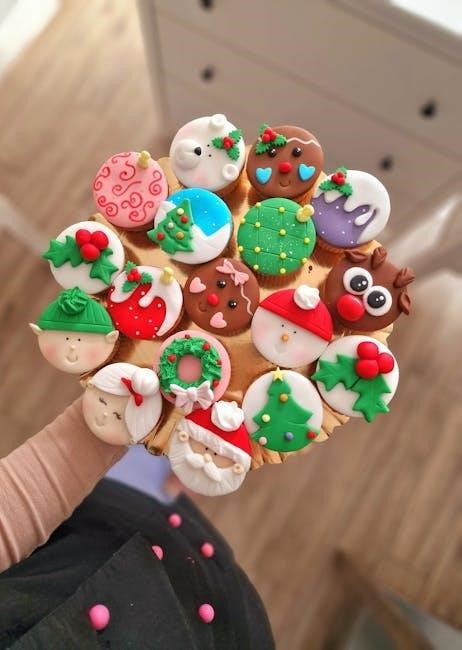
Leveraging the “If You Give a Cat a Cupcake PDF,” educators can create engaging cupcake-themed activities․ A classic is a classroom cupcake decorating party! Provide plain cupcakes and a variety of frostings, sprinkles, and candies, mirroring the story’s playful spirit․
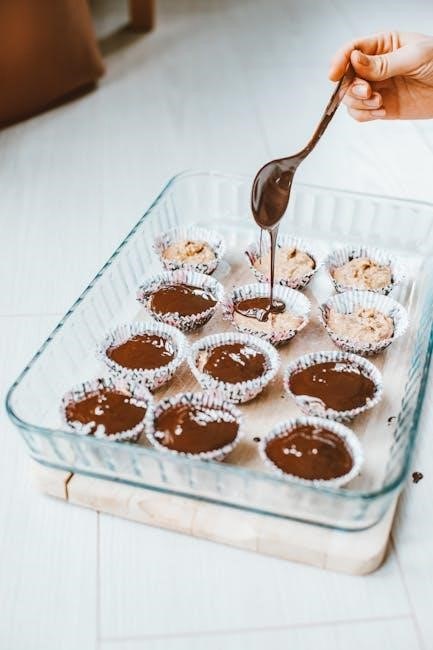
Alternatively, utilize printable cupcake outlines from the PDF for a no-bake craft․ Students can decorate these paper cupcakes with crayons, markers, glitter, and other art supplies, fostering creativity and fine motor skills․
Extend the theme with a cupcake-themed writing prompt: “If you give a cat a cupcake, what would happen next?” This encourages imaginative storytelling and reinforces the book’s circular narrative structure, all while having fun!
Cupcake Decorating Parties
Inspired by “If You Give a Cat a Cupcake,” hosting a cupcake decorating party is a delightful activity․ Begin by baking (or purchasing!) plain cupcakes – the blank canvas for creativity․ Utilizing resources found within a “If You Give a Cat a Cupcake PDF,” you can print themed decorations․
Set up a decorating station with various frostings, sprinkles, candies, and even edible glitter․ Encourage students to unleash their imaginations, mirroring the cat’s escalating requests in the story․ This hands-on experience fosters fine motor skills and artistic expression․
Consider incorporating a storytelling element: as students decorate, have them narrate what their cat would request next, extending the narrative beyond the book’s pages․ It’s a sweet and engaging way to connect with the story!
Cupcake Outline Crafts

Leveraging the charming imagery of “If You Give a Cat a Cupcake,” cupcake outline crafts offer a simpler, yet equally engaging activity․ Many “If You Give a Cat a Cupcake PDF” resources include pre-made cupcake outlines, ready for printing and creative embellishment․
Alternatively, students can practice their drawing skills by sketching their own cupcake shapes on cardstock․ Once outlined, the fun begins! Encourage them to decorate using crayons, markers, glitter, paint, or even collage materials like tissue paper and sequins․
This craft promotes creativity and allows for individual expression․ Students can depict the cat enjoying their decorated cupcake, further solidifying their connection to the story and its whimsical nature․ It’s a fantastic, low-prep option!
Variations and Sequels in the “If You Give․․․” Series
“If You Give a Cat a Cupcake” isn’t a standalone success; it’s part of Laura Numeroff’s beloved “If You Give…” series․ The initial spark came with “If You Give a Mouse a Cookie,” launching a delightful chain of interconnected stories․
Following the cat’s cupcake adventure, readers can explore “If You Give a Pig a Party,” “If You Give a Moose a Muffin,” and numerous other installments․ Each book maintains the signature circular narrative and escalating chain reaction, captivating young audiences․
Many “If You Give a Cat a Cupcake PDF” compilations also include activity sheets comparing and contrasting the different books in the series, encouraging children to identify common themes and narrative structures․ Exploring the series broadens comprehension and fosters a love for reading!
Critical Reception and Reviews
“If You Give a Cat a Cupcake” generally received positive reviews, lauded for its charming illustrations and relatable storyline․ Critics praised the book’s ability to capture the endless cycle of a child’s demands and the playful energy of a pet․
Many reviewers highlighted the book’s effectiveness as a read-aloud, noting the engaging rhythm and predictable structure․ The circular narrative resonated with both children and adults, creating a shared reading experience․
Online, numerous “If You Give a Cat a Cupcake PDF” resources include teacher guides with critical analysis points, facilitating discussions about themes like cause and effect․ While some found the repetition slightly tedious, the overall consensus celebrates its lighthearted charm and educational value․
The Book’s Impact on Children’s Literature

“If You Give a Cat a Cupcake” solidified Laura Numeroff and Felicia Bond’s place in children’s literature, building upon the success of “If You Give a Mouse a Cookie․” It reinforced the “If You Give…” series’ formula of circular storytelling and escalating requests․
The book’s influence is evident in its continued presence in classrooms and libraries, often utilized for teaching sequencing and cause-and-effect․ Numerous “If You Give a Cat a Cupcake PDF” resources demonstrate its enduring pedagogical value․
It contributed to a trend of picture books exploring everyday scenarios and relatable childhood experiences․ The book’s success encouraged other authors to experiment with similar narrative structures, fostering a playful and interactive approach to storytelling for young readers․
Comparing “If You Give a Cat a Cupcake” to “If You Give a Mouse a Cookie”
Both books share a foundational structure: a simple act of kindness initiates a chain reaction of increasingly elaborate requests․ However, the characters and resulting scenarios differ significantly․
“If You Give a Mouse a Cookie” focuses on domestic tasks and a desire for routine, while “If You Give a Cat a Cupcake” leans towards more playful, imaginative adventures – a trip to the museum, weightlifting, and building sandcastles․
The availability of “If You Give a Cat a Cupcake PDF” resources often mirrors those for the mouse story, highlighting their shared pedagogical use․ Both effectively teach sequencing and consequence, but the cat’s story feels slightly more whimsical and expansive․
Exploring the Illustrations: Style and Significance
Felicia Bond’s watercolor illustrations are central to the charm of “If You Give a Cat a Cupcake,” mirroring the cozy, familiar style of “If You Give a Mouse a Cookie․” Her work employs soft colors and gentle lines, creating a welcoming and approachable aesthetic for young readers․
The illustrations aren’t merely decorative; they actively advance the narrative, visually depicting the escalating chain of events triggered by the initial cupcake․ Details within the scenes offer subtle humor and encourage close observation․

Many “If You Give a Cat a Cupcake PDF” resources include printable coloring pages based on these illustrations, allowing children to engage with Bond’s style directly․ The visual storytelling enhances comprehension and fosters a deeper connection to the story’s playful spirit․
The Role of Humor in the Story
“If You Give a Cat a Cupcake” thrives on its gentle, escalating humor, stemming from the increasingly absurd requests and actions of the feline protagonist․ The story’s comedic effect lies in the relatable, yet exaggerated, chain reaction initiated by a simple act of kindness – offering a cupcake․
The humor isn’t reliant on slapstick; instead, it’s built upon the logical, yet ridiculous, progression of events․ This appeals to both children and adults, making it a delightful read-aloud experience․
Numerous “If You Give a Cat a Cupcake PDF” activity sheets capitalize on this humor, often including prompts for children to predict what the cat will ask for next, encouraging creative and silly responses․ This reinforces comprehension and fosters imaginative thinking․

Adaptations and Merchandise
While “If You Give a Cat a Cupcake” hasn’t seen major adaptations like animated films, its popularity has spurred a range of merchandise․ This includes plush toys of the cat and the little girl, themed puzzles, and, unsurprisingly, cupcake-related items․
A significant portion of the merchandise centers around educational materials․ Many “If You Give a Cat a Cupcake PDF” downloads offer printable coloring pages, sequencing cards, and activity sheets designed for classroom or home use․
Furthermore, the book’s enduring appeal has led to its inclusion in various reading comprehension workbooks and early literacy kits․ These resources often feature simplified versions of the story and accompanying exercises, solidifying its place in educational settings․
The Book’s Appeal to Different Age Groups
“If You Give a Cat a Cupcake” primarily targets preschool and early elementary children (ages 3-7), captivating them with its whimsical illustrations and relatable scenario․ The repetitive structure and predictable chain of events are particularly engaging for this age group, fostering early literacy skills․
However, the book’s appeal extends beyond younger children․ Older elementary students can appreciate the underlying themes of cause and effect, and the humorous consequences of unchecked giving․ Teachers often utilize “If You Give a Cat a Cupcake PDF” resources for sequencing activities․
Even parents enjoy the story’s playful tone and subtle commentary on the nature of requests and desires․ The book serves as a lighthearted reminder of the endless cycle of “one thing leads to another,” resonating with audiences of all ages․
Analyzing the Story’s Message About Responsibility
“If You Give a Cat a Cupcake” subtly explores the concept of responsibility through the endless cycle of requests initiated by the cat․ While seemingly lighthearted, the story demonstrates how one act of kindness—giving a cupcake—can lead to a cascade of demands and subsequent tasks․

The girl in the story willingly fulfills each request, showcasing a generous spirit, but also implicitly highlighting the responsibility that comes with initiating a chain of events․ Utilizing a “If You Give a Cat a Cupcake PDF” for classroom discussion can prompt conversations about boundaries․
Ultimately, the book doesn’t explicitly preach about responsibility, but rather presents a relatable scenario where actions have consequences, encouraging young readers to consider the implications of their choices and the commitments they undertake․
“If You Give a Cat a Cupcake” and the Concept of Needs vs․ Wants
“If You Give a Cat a Cupcake” cleverly illustrates the difference between a cat’s genuine needs and its escalating wants․ The initial cupcake, a treat, quickly spirals into requests for a fork, a bib, cleaning supplies, and more – items far beyond basic necessities․
This progression provides a fantastic opportunity to discuss with children what a cat needs to survive and thrive (food, water, shelter) versus what it wants for enjoyment (toys, treats, elaborate activities)․ A downloadable “If You Give a Cat a Cupcake PDF” can be used to create a sorting activity․
The story subtly encourages critical thinking about consumerism and the importance of distinguishing between essential requirements and desires, fostering mindful consumption habits from a young age․
Using the Story to Teach Problem-Solving Skills
“If You Give a Cat a Cupcake” presents a wonderfully chaotic chain of events, offering ample opportunities to practice problem-solving․ Each request the cat makes creates a “problem” – how will the girl address it? This encourages children to think predictively and consider consequences․
Utilizing a “If You Give a Cat a Cupcake PDF” resource, educators can create scenario cards based on the story․ Students can then brainstorm solutions to each problem, fostering critical thinking and collaborative discussion․
The story’s cyclical nature also highlights that solutions can sometimes lead to new problems, mirroring real-life complexities․ This teaches resilience and the importance of adapting strategies when initial attempts don’t fully resolve the issue․
Parent and Educator Resources Related to the Book
A wealth of resources accompany “If You Give a Cat a Cupcake,” extending its learning potential beyond the initial read․ Numerous websites offer printable activity sheets, discussion prompts, and lesson plans designed for various age groups․
Searching for an “If You Give a Cat a Cupcake PDF” will yield downloadable worksheets focusing on sequencing, cause-and-effect, and character analysis․ These are invaluable for reinforcing comprehension and critical thinking skills․
Teachers Pay Teachers and similar platforms host comprehensive unit plans, often including crafts, writing prompts, and assessment tools․ Parents can find book-related games and coloring pages to further engage children with the story’s themes and characters, fostering a love of reading․
The Enduring Legacy of a Cupcake and a Cat
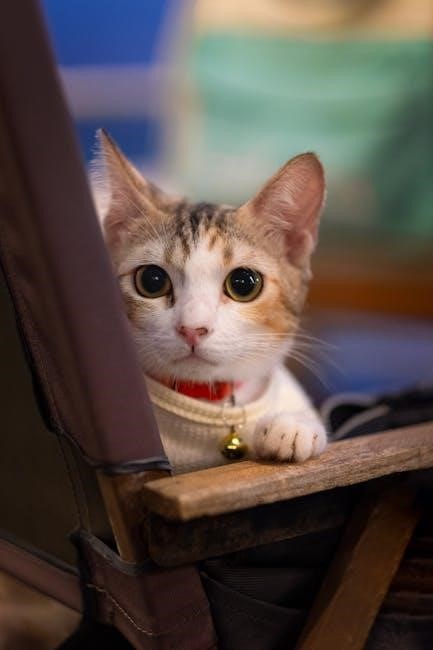
“If You Give a Cat a Cupcake” continues to charm readers with its circular narrative and relatable depiction of escalating requests․ The book’s enduring appeal lies in its humorous exploration of simple pleasures and the inevitable consequences of generosity․
Its accessibility makes it a staple in classrooms and homes, fostering a love for reading and sparking imaginative play․ The availability of resources, including a readily searchable “If You Give a Cat a Cupcake PDF” with accompanying activities, ensures its continued relevance․
Ultimately, the story’s legacy isn’t just about a cupcake or a cat; it’s about the joy of giving, the ripple effect of actions, and the delightful chaos of childhood imagination, solidifying its place in children’s literature․