
Hamstring stretches are essential for improving flexibility and preventing injuries. Gentle standing stretches can be done without pain, while PDF guides offer detailed instructions and diagrams for various techniques.
1.1 Importance of Hamstring Flexibility
Hamstring flexibility is crucial for maintaining proper posture, reducing muscle tightness, and preventing lower back and knee pain. Tight hamstrings can limit mobility and increase injury risk, especially during physical activity. Regular stretching improves circulation, enhances athletic performance, and promotes overall muscle balance. Incorporating hamstring stretches into daily routines, as detailed in PDF guides, helps maintain flexibility and supports long-term muscle health. Improved flexibility also reduces stiffness, making everyday movements more comfortable and efficient.
1.2 Why Hamstring Stretches Are Essential
Hamstring stretches are vital for preventing injuries, enhancing mobility, and improving overall muscle function. They reduce muscle imbalances, alleviate tightness, and promote better posture. Regular stretching lowers the risk of strains and pulls, common in both athletes and individuals with sedentary lifestyles. PDF guides provide structured routines, ensuring effective and safe practices. By incorporating these stretches, individuals can maintain optimal hamstring health, supporting daily activities and athletic performance while minimizing discomfort and injury risks.

Basic Hamstring Anatomy
The hamstrings are a group of three muscles at the back of the thigh, essential for knee flexion and hip extension. Understanding their anatomy aids in effective stretching.
2.1 Understanding the Hamstring Muscles
The hamstrings consist of three muscles: the biceps femoris, semitendinosus, and semimembranosus. These muscles span from the hip to the knee, playing a crucial role in movement and stability. They are prone to tightness and injury, especially in active individuals. Proper stretching and strengthening are vital for maintaining their health. PDF guides often include detailed diagrams to help identify and target these muscles effectively during stretching routines. Understanding their structure and function is key to preventing strain and enhancing flexibility.
2.2 How Hamstrings Contribute to Movement
The hamstrings play a vital role in movement by enabling hip extension, knee flexion, and stabilization during activities like walking, running, and bending. They work synergistically with other muscles to facilitate smooth, coordinated motion. Tight hamstrings can limit mobility and lead to discomfort or injury, especially in sports and daily activities. Regular stretching helps maintain optimal function and prevents imbalances that could hinder performance or cause pain during movements such as sprinting, climbing stairs, or even simple tasks like bending over.

Benefits of Hamstring Stretches
Hamstring stretches improve flexibility, reduce injury risk, and enhance athletic performance. Regular stretching also alleviates tightness, promotes circulation, and supports overall lower body mobility and strength.
3.1 Improved Flexibility and Range of Motion
Hamstring stretches significantly enhance flexibility by lengthening the muscles, allowing for a greater range of motion. This improvement reduces stiffness, making daily activities and athletic movements more fluid and efficient. Regular stretching also alleviates tightness, which can contribute to poor posture and limited mobility. By incorporating techniques like seated, standing, and lying stretches, individuals can experience better joint mobility and overall lower body flexibility, as detailed in various PDF guides and exercises.
3.2 Injury Prevention and Recovery
Hamstring stretches play a crucial role in injury prevention by strengthening the muscles and improving flexibility, reducing the risk of strains and tears. During recovery, gentle stretching helps restore muscle elasticity and promotes blood flow, accelerating healing. PDF guides often include specific exercises tailored for rehabilitation, such as seated stretches and towel-assisted techniques, which are effective in preventing re-injury and ensuring a safe return to physical activity. These methods are widely recommended by physiotherapists and orthopedic specialists to support recovery and maintain muscle health.
3.3 Enhanced Athletic Performance
Hamstring stretches significantly enhance athletic performance by improving flexibility, power, and endurance. Increased range of motion allows for more efficient movement and technique, reducing energy expenditure. Dynamic stretches like leg swings prepare muscles for activity, preventing tightness and enhancing explosiveness. PDF guides often include sport-specific stretches, such as seated and standing variations, tailored to boost performance in running, cycling, and other sports. By reducing muscle tension and improving circulation, hamstring stretches enable athletes to achieve peak performance and maintain consistency during training and competition.

Types of Hamstring Stretches
Hamstring stretches include standing, seated, lying (towel-assisted), assisted, and dynamic variations like leg swings. Each targets the hamstrings differently, offering flexibility and relief from tightness.
4.1 Standing Hamstring Stretch
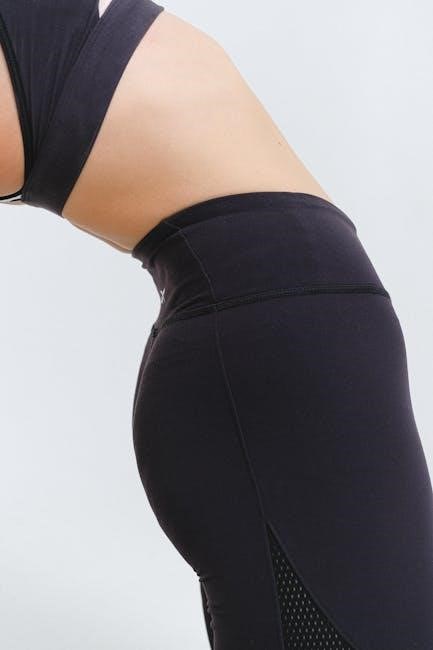
The standing hamstring stretch is a simple yet effective exercise to improve flexibility. Stand with your feet shoulder-width apart, then bend forward at the hips, keeping your back straight. Let your arms hang loosely and allow your hands to reach toward your toes or shins. Hold the stretch for [insert duration] seconds, feeling a gentle pull in the back of your thighs. Avoid bouncing and focus on controlled movement. This stretch is ideal for daily routines and can be modified to suit different flexibility levels. Regular practice enhances range of motion and reduces muscle tension.
4.2 Seated Hamstring Stretch
The seated hamstring stretch targets the muscles in the back of the thigh. Sit on the floor with your legs extended straight in front of you. Place your hands behind you for support and lift your chest. Lean forward slightly, keeping your knees straight, until you feel a gentle stretch in your hamstrings. Hold for [insert duration] seconds, breathing deeply. This stretch is excellent for improving flexibility and can be done at home or in the office. It’s a great option for those who prefer a seated position or have mobility limitations.
4.3 Lying Hamstring Stretch (Towel-Assisted)
For the lying hamstring stretch, lie on your back with one leg extended and the other bent. Loop a towel or strap around the ball of the extended leg’s foot. Gently pull the towel toward you, keeping your knee straight, until you feel a stretch in the back of your thigh. Hold for [insert duration] seconds, breathing steadily. This stretch is ideal for targeting the hamstrings without placing strain on the lower back. It’s also useful for individuals who find standing or seated stretches challenging. Regular practice enhances flexibility and reduces muscle tension.
4.4 Assisted Hamstring Stretch
The assisted hamstring stretch involves a partner or therapist helping to deepen the stretch. Sit with your legs extended and loop a towel or strap around the ball of one foot. Your partner gently pulls the towel, increasing the stretch in the back of your thigh. This method allows for controlled, gradual stretching, reducing the risk of overstretching. It’s particularly effective for improving flexibility and can be incorporated into both rehabilitation and general fitness routines. Regular practice enhances muscle elasticity and promotes better movement range.
4.5 Dynamic Hamstring Stretch (Leg Swings)
Dynamic hamstring stretches, such as leg swings, involve active movement to warm up and stretch the muscles. Stand with one hand against a wall for balance and swing one leg backward and forward, then side to side. This exercise promotes blood flow, improves flexibility, and prepares the hamstrings for physical activity. It’s an excellent pre-workout stretch to reduce muscle stiffness and enhance range of motion. Regular practice helps maintain healthy, flexible hamstrings and prevents tightness.
Step-by-Step Guide to Performing Hamstring Stretches
Discover a detailed, step-by-step guide to performing effective hamstring stretches, including standing, seated, and lying techniques. Use props like towels for assistance and download the PDF for easy reference.
5.1 Standing Hamstring Stretch Technique
Begin by standing upright with your feet shoulder-width apart. Slowly lift one leg, keeping it straight, until you feel a gentle stretch in the back of your thigh. Hold for 20-30 seconds, ensuring no sharp pain is felt. This stretch improves flexibility and can be included in both morning and evening routines. For detailed guidance, refer to the downloadable PDF guide, which includes illustrations and step-by-step instructions to ensure proper form and maximize benefits.
5.2 Seated Hamstring Stretch with Proper Form
Sit on the floor with one leg extended straight and the other bent, resting your foot on the inner thigh. Keep your spine long and slowly fold forward from your hips until a stretch is felt in the back of your thigh. Hold for 20-30 seconds, then switch legs. Ensure proper form by avoiding rounding your back. For visual guidance, refer to the PDF guide, which provides detailed instructions and illustrations to help you master this stretch effectively. Regular practice enhances flexibility and reduces muscle tension.
5.3 Lying Hamstring Stretch Using a Towel
Lie on your back and loop a towel around the ball of one foot, keeping your knee straight. Gently pull the towel towards your chest until a stretch is felt in the hamstrings. Hold for 20-30 seconds, then switch legs. Maintain a neutral spine and avoid bouncing. Illustrated steps in the PDF guide ensure proper form and maximize the stretch’s effectiveness. This method is ideal for those who find standing or seated stretches challenging, offering a comfortable way to improve flexibility and reduce muscle tightness from a lying position.

Hamstring Stretch Routine for Daily Practice
Incorporate standing, seated, and lying stretches into your daily routine. Hold each stretch for 20-30 seconds, repeating 2-3 times. Combine with dynamic leg swings for enhanced flexibility, ensuring consistent practice for optimal results. The PDF guide provides detailed instructions and illustrations to help you maintain a balanced and effective stretching regimen.
6.1 Morning Hamstring Stretch Routine
Begin your day with a gentle morning stretch to awaken your hamstrings. Start with standing stretches, holding each for 20-30 seconds. Transition to seated stretches, extending one leg at a time. Use a towel or strap for assistance if needed. Follow with dynamic leg swings to increase blood flow and flexibility. The PDF guide offers step-by-step instructions and illustrations to ensure proper form and maximize the benefits of your morning routine. This practice helps improve circulation and prepares your muscles for daily activities, promoting overall flexibility and reducing stiffness.
6.2 Evening Hamstring Stretch Routine
End your day with a relaxing evening stretch to relieve tension in your hamstrings. Begin with seated stretches, extending one leg at a time, and hold for 20-30 seconds. Transition to lying stretches using a towel or strap for assistance. Gentle dynamic leg swings can also be incorporated to promote flexibility. The PDF guide provides detailed instructions and visuals to ensure proper form. This routine helps relieve muscle tightness, enhances recovery, and prepares your body for rest, promoting better sleep and overall muscle health.

Preventing Hamstring Injuries
Preventing hamstring injuries involves consistent stretching, strengthening exercises, and proper warm-up routines. Using a PDF guide, you can follow structured exercises to enhance flexibility and strength, reducing injury risks.
7.1 Role of Stretching in Injury Prevention
Stretching plays a crucial role in preventing hamstring injuries by improving flexibility and reducing muscle tightness. Regular stretches, such as standing or seated hamstring exercises, can enhance muscle elasticity, lowering the risk of strains. Additionally, dynamic stretches, like leg swings, prepare muscles for physical activity, minimizing injury potential. A PDF guide provides detailed instructions and illustrations, ensuring proper technique and consistency in a stretching routine. This consistent practice helps maintain muscle health and prevents common hamstring-related injuries.
7.2 Strengthening Exercises to Complement Stretches
Strengthening exercises are vital for injury prevention and complement stretching by enhancing muscle endurance and stability. Exercises like bridges, Swiss ball exercises, and resistance band workouts target the hamstrings effectively. These exercises improve muscle strength, reducing the risk of strains and tears. Incorporating dynamic exercises, such as deadlifts and lunges, also promotes functional strength. A PDF guide often includes these exercises with detailed instructions, ensuring a balanced routine that combines stretching and strengthening for optimal hamstring health and injury resilience.

Hamstring Stretches for Specific Needs
Tailored stretches address specific demands, such as runners needing dynamic flexibility and office workers requiring seated exercises. PDF guides offer targeted routines for these groups, enhancing flexibility and reducing injury risks.
8.1 Hamstring Stretches for Runners
Runners benefit from dynamic and static hamstring stretches to enhance flexibility and prevent injuries. Standing hamstring stretches and seated stretches with a towel are recommended. These exercises improve range of motion, reduce muscle tightness, and promote recovery. Additionally, incorporating dynamic stretches like leg swings and lunges can prepare the hamstrings for running. A PDF guide provides detailed instructions, illustrations, and routines tailored for runners to maintain flexibility and optimize performance. Regular stretching helps runners avoid common issues like pulled hamstrings and improves overall athletic efficiency.
8.2 Hamstring Stretches for Office Workers
Office workers often develop tight hamstrings due to prolonged sitting. Gentle stretches can help alleviate this tension. Seated hamstring stretches and standing stretches with a towel are ideal for workplace breaks. These exercises improve circulation, reduce muscle stiffness, and prevent lower back pain. A PDF guide offers simple, office-friendly stretches with step-by-step instructions and illustrations. Incorporating these routines into daily breaks can enhance flexibility and comfort, ensuring better posture and reducing the risk of injury from sedentary work habits.
8.3 Hamstring Stretches for Athletes
Athletes require strong, flexible hamstrings to optimize performance and prevent injuries. Dynamic stretches like leg swings and lunge stretches are effective for pre-workout routines. Static stretches, such as seated and lying hamstring stretches, aid in post-workout recovery. A PDF guide provides detailed instructions, illustrations, and tips for these exercises. Regular practice enhances power, speed, and endurance, while reducing muscle tightness and the risk of strains. These routines are essential for athletes seeking to maintain peak physical condition and achieve their best performance.

Common Mistakes to Avoid
Overstretching can cause injury, while ignoring proper form reduces effectiveness. Bouncing during stretches risks muscle tears. Holding stretches too briefly or too long is counterproductive, and poor breathing leads to discomfort.
9.1 Overstretching and Its Consequences
Overstretching hamstrings can lead to muscle tears, strains, and prolonged recovery. It causes sharp pain, unlike mild discomfort from proper stretching. Ignoring pain signals risks severe injury, requiring medical attention and delaying fitness goals. Overstretching weakens muscles, reducing stability and flexibility. It can also cause inflammation, swelling, and limited mobility. To avoid this, stretch within a pain-free range and hold stretches gently. Proper technique and gradual progression are crucial to prevent overstretching and ensure safe, effective hamstring flexibility improvements.
9.2 Ignoring Proper Breathing Techniques
Proper breathing enhances the effectiveness of hamstring stretches, promoting relaxation and reducing tension. Holding breath can increase muscle stiffness and reduce flexibility. Shallow breathing limits oxygen flow, hindering recovery. Deep, controlled breaths help maintain focus and prevent overstretching. Exhaling during the stretch phase encourages muscle release, improving range of motion. Without proper breathing, stretches may feel uncomfortable, leading to poor form or injury. Consistent breathing techniques ensure a safer, more beneficial stretching routine for optimal hamstring flexibility and overall well-being.

Hamstring Stretch PDF Guide
A comprehensive PDF guide offering illustrated instructions, tips, and exercises for effective hamstring stretching. Includes detailed diagrams and step-by-step routines for optimal flexibility and injury prevention.
10.1 Downloadable PDF with Illustrated Instructions
A downloadable PDF guide provides detailed, illustrated instructions for various hamstring stretches. It includes step-by-step routines, such as seated, standing, and towel-assisted stretches, along with recommendations for sets, repetitions, and hold times. Designed by professionals, including orthopedic surgeons and physiotherapists, the guide offers clear diagrams to ensure proper form and technique. Additionally, it includes tips for printing and using the guide effectively, making it a valuable resource for improving flexibility and preventing injuries. Perfect for runners, athletes, and office workers alike, the PDF is a comprehensive tool for daily practice.
10.2 Tips for Printing and Using the Guide
For optimal use, print the PDF on high-quality paper to ensure clear visibility of diagrams and instructions. Bind the pages securely for easy reference during workouts. Highlight key exercises tailored to your needs, such as stretches for runners or office workers. Keep the guide in an accessible location, like near your workout area, to encourage regular practice. Follow the illustrated instructions carefully to maintain proper form and maximize benefits. Review the guide periodically to refine your technique and stay consistent with your stretching routine.